New clergy and lay members are being elected to General Synod in autumn 2026.
General Synod helps to shape the life of the Church of England. Those elected will represent the concerns and experiences of our churches and communities, contribute to important national decisions, and help the Church live Christ’s story today, in and for the world.
General Synod Election Statements 2026
Thank you to those who have put themselves forward to stand for General Synod. The following people are standing for election – click on their names to view their election statements.
House of Clergy
House of Laity
What is General Synod?
General Synod is the national assembly of the Church of England. Its members include bishops, other clergy, and lay people.
It considers and approves legislation affecting the Church of England, agrees new forms of worship, debates matters of national and international importance, and approves the annual budget for the Church’s national work.
Members speak and vote from their own viewpoints while remaining connected with their dioceses. They also report back on important discussions, decisions, and developments.
Key dates
- Friday 14 August 2026: nominations open and invitations to nominate are issued.
- Monday 7 September 2026: nominations close.
- Monday 21 September 2026: voting opens, if a poll is required.
- Monday 12 October 2026: deadline for postal votes.
- Tuesday 13 October 2026: online voting closes.
- Wednesday 14 to Friday 16 October 2026: votes are counted.
- Monday 19 October 2026: all results will have been declared.
- Monday 16 to Wednesday 18 November 2026: newly elected members attend their first General Synod meeting in London.
The election period began when the current General Synod was dissolved on 14 July 2026.
What happens next?
1. Voting
Lay members of deanery synods in the Diocese of York vote for the diocese’s lay candidates. Eligible clergy vote for its clergy candidates.
Voting runs from 21 September to 13 October 2026. Postal votes must be received by 12 October.
2. Results and taking up the role
Votes will be counted between 14 and 16 October, with all results declared by 19 October.
Those elected will serve for five years and will attend General Synod for the first time in London from 16 to 18 November 2026.
Frequently Asked Questions
What do General Synod members do?
Members take part in debates, propose and vote on motions, consider legislation, ask questions, and may serve on committees or other Church bodies.
They prepare for meetings by reading papers and considering the issues being discussed. Members also keep in touch with their dioceses and report back on important discussions and decisions.
What subjects does General Synod consider?
General Synod considers Church legislation, worship, mission, ministry, safeguarding, finance, and matters of public concern.
Recent business has included changes to the Church’s safeguarding structures, progress towards Net Zero Carbon, clergy pensions, clergy discipline and complaints, parochial fees, sustainable church flowers, prayer for persecuted Christians, Prayers of Love and Faith, and the ethical investment and stewardship of Church funds.
Recordings of previous meetings can help prospective candidates understand the range of subjects considered.
They prepare for meetings by reading papers and considering the issues being discussed. Members also keep in touch with their dioceses and report back on important discussions and decisions.
Do I need special skills or experience?
No specialist qualifications or previous Synod experience are required.
Members need to be willing to listen carefully, consider different perspectives, reflect prayerfully, and contribute constructively. You do not need previous experience of making speeches, sitting on committees, or working with legislation.
If elected, you will receive an induction and support to help you understand how General Synod works.
Do I need to be a member of a PCC, deanery synod, or diocesan synod?
No. A lay candidate does not have to be a member of any of these bodies.
You will, however, need two lay members of a deanery synod to nominate you.
Who can stand as a lay member?
Almost anyone who attends a Church of England church regularly may be eligible.
In the usual parish setting, a prospective lay candidate will need to:
- have been aged 18 or over when General Synod was dissolved on 14 July 2026;
- meet the relevant confirmation or baptism and communicant requirements;
- be entered on the appropriate church electoral roll; and
- have received Holy Communion at least three times during the qualifying 12-month period.
Different provisions apply to people worshipping in cathedrals or other worshipping communities, members of religious communities, members of the Armed Forces, and people baptised in another Trinitarian Church.
Certain disqualifications also apply. The online checker is only a guide, so candidates should contact the diocese for a formal eligibility check.
Who chooses the members?
General Synod has three Houses: Bishops, Clergy, and Laity.
Diocesan bishops are members of the House of Bishops, alongside elected suffragan bishops and certain other members.
Lay members of deanery synods vote for the lay representatives of their diocese. Clergy vote for their diocese’s clergy representatives. Separate arrangements apply to constituencies including universities and theological education institutions, religious communities, cathedral deans, and the Armed Forces.
Do members represent an official diocesan position?
Members speak and vote from their own viewpoints. They are expected to listen to the people and communities they represent, keep in touch with the diocese, and report back on significant discussions and decisions.
General Synod brings together people with a wide range of theological perspectives, church traditions, experiences, and opinions.
What is the time commitment?
Members are normally expected to attend each meeting during their five-year term.
General Synod usually meets twice a year: once in London and once in York. Each main meeting normally lasts five days. During their first year, new members also attend an additional three-day meeting in London.
Members need time to read papers and prepare between meetings. Those who join committees or other Synod bodies will have additional meetings and responsibilities.
It is currently possible to attend General Synod meetings either in person or online.
Is the role paid?
Membership of General Synod is voluntary and unpaid.
Travel, accommodation, and subsistence expenses are covered. If paying these costs in advance would be a barrier, prospective members should discuss this with the diocese.
For 2026/27, the Archbishops’ Council’s compensation rate for actual loss of earnings arising from attendance at General Synod or its subordinate bodies is up to £220 for each day of absence, subject to the applicable rules.
What support is available?
New members receive a supportive induction to introduce them to Synod’s procedures, people, and ways of working.
If disability, access requirements, the cost of attending, or another practical concern might affect your ability to serve, please contact the diocese to discuss this before deciding that the role is not for you.
What happens after the results are announced?
Successful candidates will receive information about induction and their first meeting. The new General Synod will meet in London from 16 to 18 November 2026.
The Diocese of York will publish the names of its elected members following the declaration of the results.
Resources
For prospective candidates
The national election page also provides the House of Clergy and House of Laity Election Rules, Single Transferable Vote rules, and detailed guidance for the 2026 elections.
For deaneries and parishes
Thank you to our outgoing members of General Synod
The Diocese of York is represented on the national Church of England’s General Synod by six Members of the House of Laity and six Members of the House of Clergy (Proctors in Convocation).
The following Members were elected in 2021 by Members of Deanery Synods across the diocese.
- Canon Linda Ali
- Dr Neill Burgess
- Lucy Gorman
- Dr Nick Land
- Dr Tim Scott
- Sammi Tooze
- The Revd Jackie Doyle-Brett
- The Revd Adam Gaunt
- The Venerable Liz Hassall
- The Revd Jake Madin
- The Revd Dr Christian Selvaratnam
- The Revd Steve Wilcox
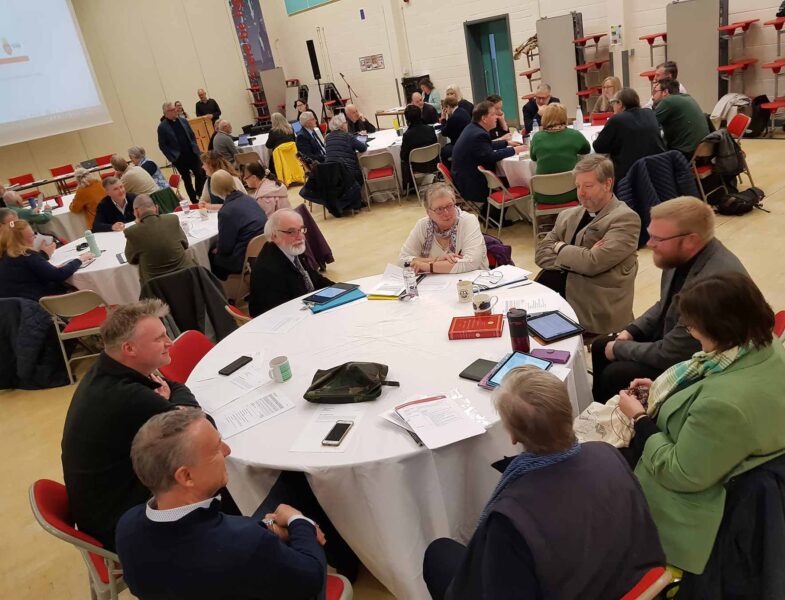
Diocesan Synod
‘Synod’ is a Greek word meaning “coming together and finding a way”.
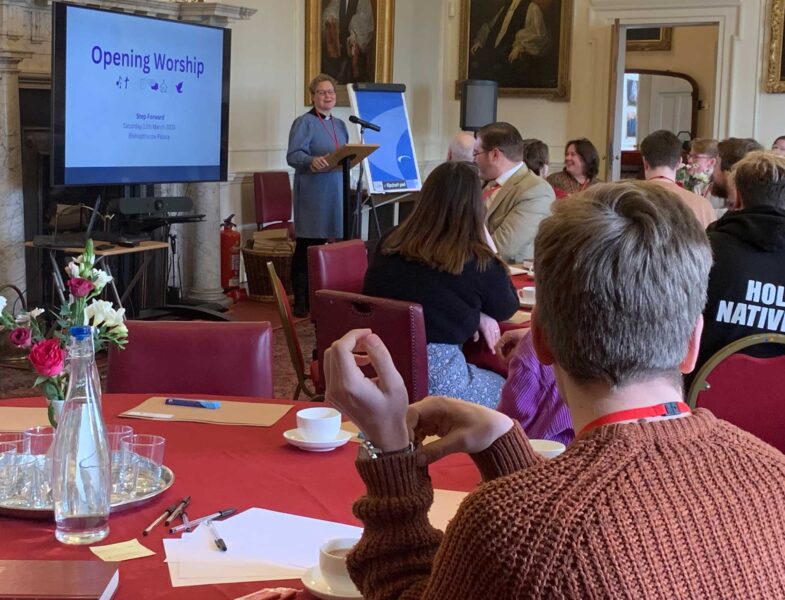
Archbishop’s Council
The members of Diocesan Synod elect from among themselves those who, with the Bishops and Archdeacons, form the Archbishop’s Council.
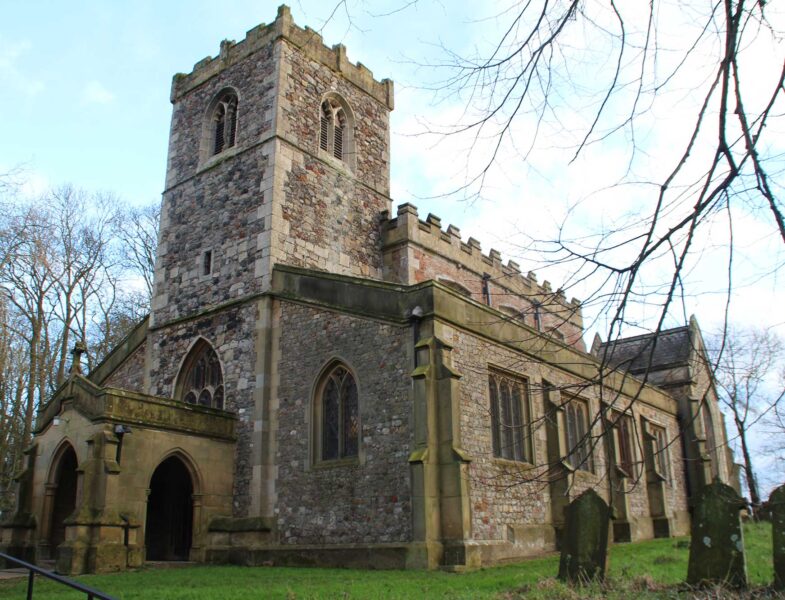
Deanery Synods
A Deanery Synod serves a deanery, or local group of parishes.