Start with the Bible
Picked up a Bible and wondering where to begin? Find where to start, accessible formats, and helpful resources.
If you have arrived here after picking up a Bible from one of our churches in the Diocese of York, welcome.
The Bible can seem daunting at first. It is a large and varied book, so it can be hard to know where to begin. This page suggests a starting point, different ways to read or listen, and places where you can explore your questions.
- What is the Bible?
- Getting started
- Find a format that suits you
- Resources for regular reading
- Explore your questions
- What about prayer?
- Find someone to talk to
- Exploring the Bible with children
What is the Bible?
The Bible is not one long book. It is a library of books written over many centuries. It contains stories, history, poetry, prayers, wisdom, laws, letters, and prophecy.
Christians believe that the Bible is inspired by God and that, through it, God still speaks to us today — that is why it is often refer to it as the ‘Word of God’.
The Bible has two main parts: the Old Testament and the New Testament. At the beginning of the New Testament are four books called the Gospels: Matthew, Mark, Luke, and John. They tell the story of Jesus, each with a different emphasis.
“It’s full of human stories – of love, greed, joy, loss and passion. It’s vital to our culture. It’s part of the answer to the world’s needs. It’s cherished by billions of people around the world. It’s more than a book.”
Bible Society
Getting started
Try starting with Mark’s Gospel. It is the shortest Gospel and moves quickly through the life, teaching, death, and resurrection of Jesus.
In a printed Bible, the contents page will show you where Mark begins. Start with chapter 1 and read as much as feels manageable. You could also listen to it.
Before you begin, you might say a short prayer:
God, open my mind and heart to what you want to show me. Help me to understand, to notice what matters, and to put it into practice. Amen.
As you read, think about these questions:
- What catches my attention?
- What does this passage show me about Jesus, God, or people?
- Is there something here that challenges or encourages me?
Ten to fifteen minutes is enough. You can return to it whenever you are ready.
You do not need to understand every passage. Questions and doubts are a normal part of reading the Bible.
Where could I go next?
Different parts of the Bible may be helpful at different times.
- Luke tells the story of Jesus, and Acts continues with the beginnings of the Church.
- John explores more deeply who Jesus is.
- The Psalms are a collection of songs and prayers about joy, fear, anger, grief, hope, and trust.
You do not have to read the Bible from beginning to end. Most people explore different parts over time.
Find a format that suits you
Printed words are not the only way to explore the Bible. You can listen, use simpler language, or change how the words appear on screen.
- Listen: the YouVersion Bible App offers audio for many Bible translations. Some audio can be downloaded for listening without an internet connection.
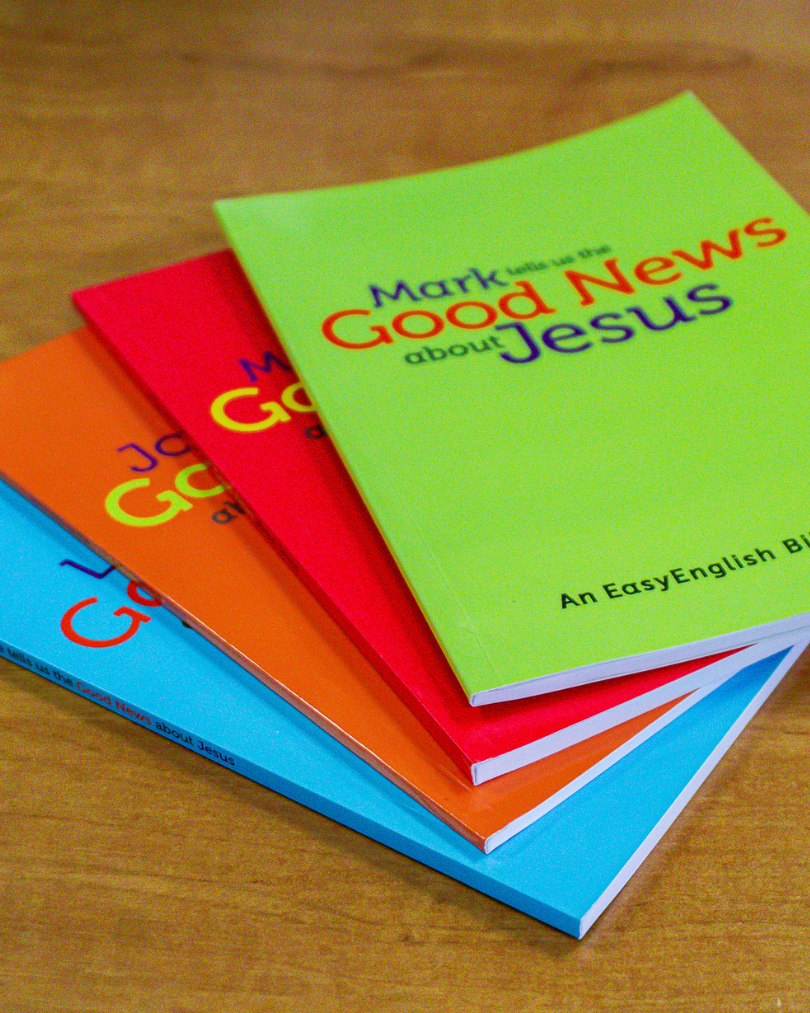
- Use simpler English: the EasyEnglish Bible (produced by MissionAssist and available through Bible Society UK) uses short sentences and common words. The Good News Bible also uses clear, everyday language.
- Use a dyslexia-friendly edition: Bible Society publishes Good News Bible editions with larger type, wider spacing, and shorter paragraphs. The YouVersion app also has an OpenDyslexic font option.
- Find large-print, audio, or braille editions: Bible Society stocks large-print Bibles. RNIB Reading Services provides audio and braille books for people with sight loss or other difficulties using printed material.
If one version or format does not suit you, try another. A local church can also help you find one that works for you.
Resources for regular reading
Some people find a daily reading or guided reflection helpful.
- Everyday Faith is a Church of England app with a short Bible reading, reflection, and prayer each day.
- Daily Prayer is the official Church of England app and podcast for Morning, Evening, and Night Prayer. It includes Bible readings and audio.
- Lectio 365 offers short, guided times of Bible reading and prayer.
- Bible in One Year offers a structured plan for reading the whole Bible.
Explore your questions
The Bible raises questions about God, purpose, suffering, hope, and how we live. There are courses and groups where you can discuss these questions with other people.
- The Pilgrim Course is a Church of England course for people with little or no previous knowledge of Christianity.
- Alpha offers informal conversations about Christian faith, with space for questions and different views.
- The Bible Course from Bible Society explains how the different books and stories fit together.
- The Pilgrim Way is a short guide to Christian belief which you can read or listen to online.
Your local church may run one of these courses or have a group where people read and discuss the Bible together.
What about prayer?
Faith is a relationship with God, and prayer is part of that relationship. In prayer, we simply make time to be with God, who meets us as we are.
You do not need special words or a particular way of praying. You might speak in your own words, use a written prayer, sit quietly, shout in joy or pain, listen to music, reflect on a Bible passage, sing, or respond to the world around you. You can pray alone or with other people. Listening is part of prayer too.
- The Church of England has a practical guide to learning to pray.
- Trypraying also offers a seven-day prayer guide for people who do not think of themselves as religious.
Find someone to talk to
Being a Christian is more like a team sport than an individual pursuit. Faith is designed for and often grows in community. Your local church can help with questions, accessible Bible formats, groups, and courses.
Use A Church Near You to find local churches, services, events, and contact details. A full postcode will give you the most accurate results.
If you would rather speak to someone before attending a service, contact the church through its listing. If you cannot find the right local contact, you can contact the Diocese of York.
Exploring the Bible with children
Reading or listening to Bible stories with your child is a simple way to explore Christian faith together. Talk about what you notice, enjoy, or find puzzling. You do not need to have all the answers.
A children’s Bible or Bible storybook can be a good place to start. Choose one that suits your child’s age, interests, and access needs. You can find options from Bible Society, BRF Ministries, Lion Hudson, and Scripture Union.
The free Bible App for Kids has narrated and interactive Bible stories for children and families.