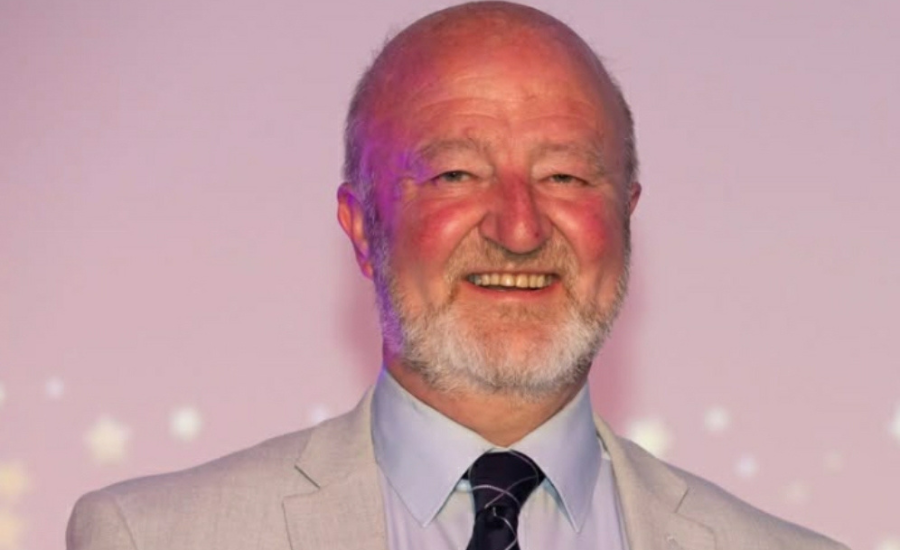
The team of chaplains is here to support clergy as they plan for retirement and adjust to a new season of life. They can help people think ahead and make informed choices about housing, finances, wellbeing, and ministry after retirement. They also support retired clergy who continue to serve, offering wisdom, experience and a faithful presence in parishes across the diocese.
The Revd Paul Peverell (Rev Pev), Clergy Retirement Officer, knows this from personal experience. Having retired from parish ministry in 2024, he now helps others prepare well for retirement and make the most of what comes next. Paul writes:
“When should you start thinking about retirement? My answer is simple – when you start work. Plans made early on can give you more choices later in life.
“If you own your own property, try to hold on to it if you can, as it will often increase in value over time. There can be risks, of course, but it can be a bigger risk simply to assume everything will somehow work out. The Church of England is very different today from when I was ordained in 1982.
“During my curacy, I was visited by a representative from Allied Dunbar, who had been given my name by a friend who had been ordained a few years before. So, in my late 20s, I started a savings policy that matured when I was 65. I added to this with another policy when I got married several years later. We did not do much more after that, because family life on a clergy stipend does not leave much spare, but those early decisions helped give us more options later on.
“I chose to retire at 67, although I could have carried on longer. I have seen so many people lose their health in the year after retirement that I wanted to make sure my wife and I had some good years together. While I am no longer a vicar, I am still active, assisting at Stokesley Church and elsewhere in the area. I now have no evening meetings, have stayed clear of committees, and can say no.
“Following advice at a pre-retirement course in 2019, we started looking in good time for somewhere to live. That was especially important for us, as our son still lives with us and we needed somewhere wheelchair-friendly. We moved in June 2023 to a bungalow in Nunthorpe, where we have lovely neighbours and a warm, welcoming community. I only wear a collar now when I am taking services.
“I worked from there until I retired in November 2024, after 31 years at Great Ayton, where we had been since February 1993. That made leaving less hard, because when clergy retire they often leave their home, their job and their community all on the same day. That can be brutal. By the time I retired, I had already begun to build a new life and let go of many of the roles and responsibilities that come simply from living on site. You do not always realise how much you are carrying until you put it down. Over the last year, I have felt my energy returning.
“Active retired clergy are vital to the continuing mission of the Church and account for more than 30 per cent of services taken. As benefices grow, stipendiary clergy cannot be everywhere between 9.00am and 11.00am on a Sunday morning. The support retired clergy offer can be a real blessing, both to congregations and to those who continue to serve in this new season. They also bring many other gifts, skills and years of experience.
“In the Diocese of York, clergy can now apply for Permission to Officiate (PTO) from the first day of retirement. That means those who feel called to continue serving can do so without a gap.
“If you have questions or concerns about retirement, please do get in touch with the team. Alongside me, there are three archdeaconry chaplains supporting this work – Jan Hardy in Cleveland, Danny Walker in the East Riding, and Chris Wingfield in York. We are all new in post and learning fast, but we are here to help.”